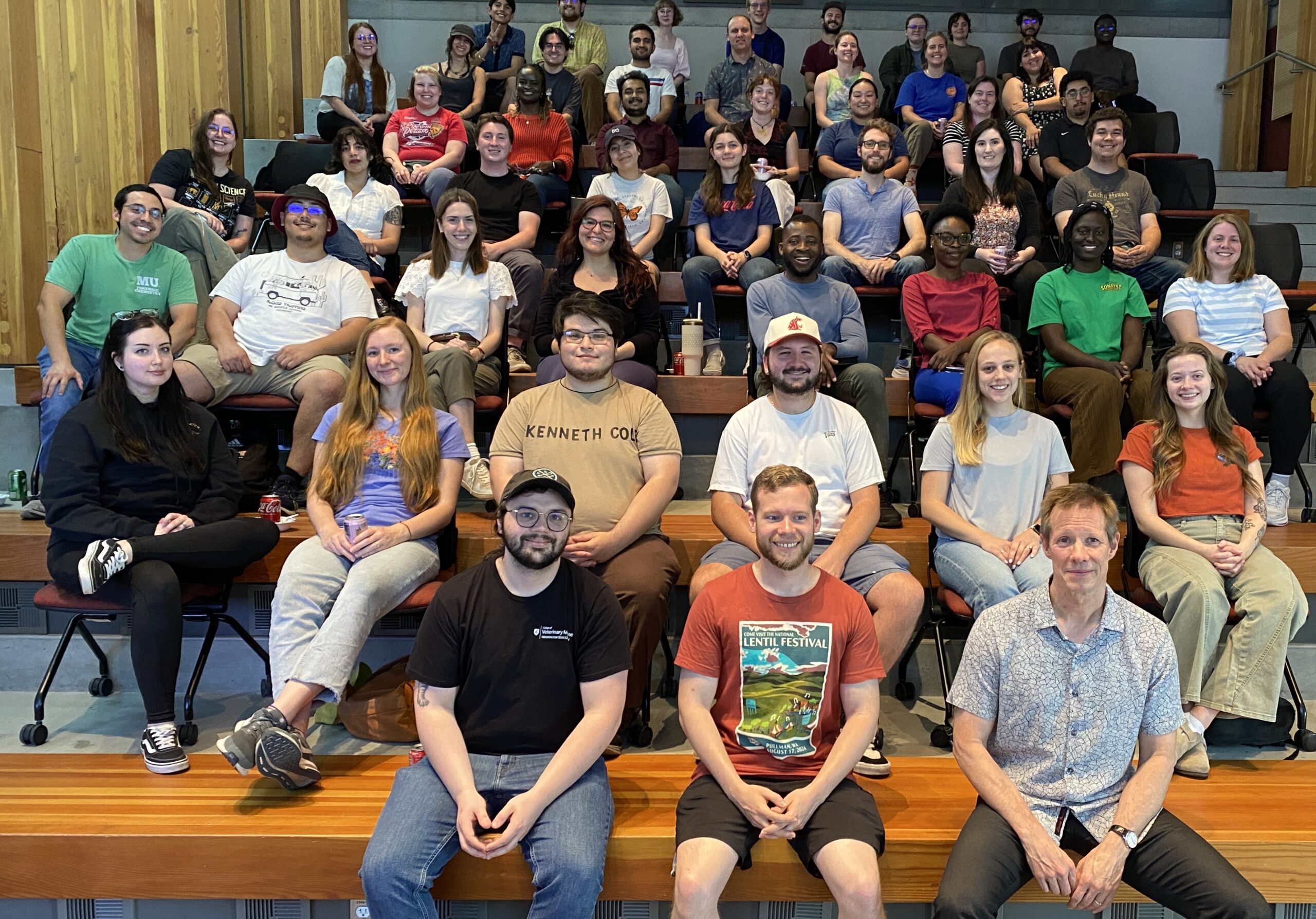
Welcome to
NIH Protein Biotechnology Training Program
- Recommendations from Graduate STEM Education for the 21st Century from the National Academies of Science, Engineering, and Medicine (NAS, 2018),
- Overarching NIGMS’s T32 objectives,
- Experience training over 120 doctoral graduates since our founding in 1989.
Why Protein Biotechnology?
- Our protein research emphasis draws on WSU’s strengths and is broad enough to build an umbrella coalition with five graduate programs and four colleges (figure below), however, it is also sufficiently constrained to motivate participant interactions that have yielded transdisciplinary research papers and intellectual property.
- Trainees develop skills by completing mentored, project-based learning opportunities in courses, monthly professional development meetings, annual symposia, and individualized biotech internships, with an emphasis on biotechnology and the biotech industry. The technical, operational, and professional skills that are developed are applicable to a wide range of research and research-related biomedical careers.
- Trainee positions are supported by a grant from the National Institute of General Medical Sciences, part of the National Institutes of Health, and contributions by Washington State University.

News

2026 Annual Symposium “Possibilities and Pivots”!
Join us for this year’s Annual Symposium! Click here to find out more about this unique opportunity!
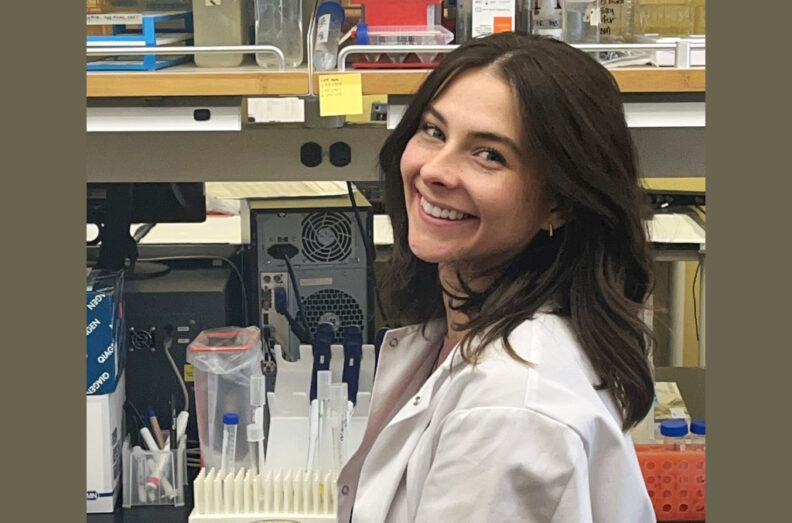
WSU graduate Shannon Allen Whiles to pursue innovative IBD treatments
While graduate programs tend to skew toward readying students for careers in academia, the NIH Protein Biotechnology Training Program – of which she served stints in its leadership as secretary and president – has a focus on preparing, training, and networking for careers in industry.

NIH Protein Biotechnology Training Program Q&A: Eduardo Sanchez
Eduardo discusses his experiences at WSU and in the NIH Protein Biotechnology Training Program.
Program Trainee Updates

Colleen Monahan – Omsland Lab

Albina Makio – Nicola Lab
Recipient of the Dr. James and Mrs. Lillian Kraft Graduate Student Fellowship

Terreill Robertson – Van Wie Lab
First Author Publication!
Effects of a Gradated Fluid Shear Environment on Mesenchymal Stromal Cell Chondrogenic Fate
Effects of a Gradated Fluid Shear Environment on Mesenchymal Stromal Cell Chondrogenic Fate

Sean McGuire – Bates Lab
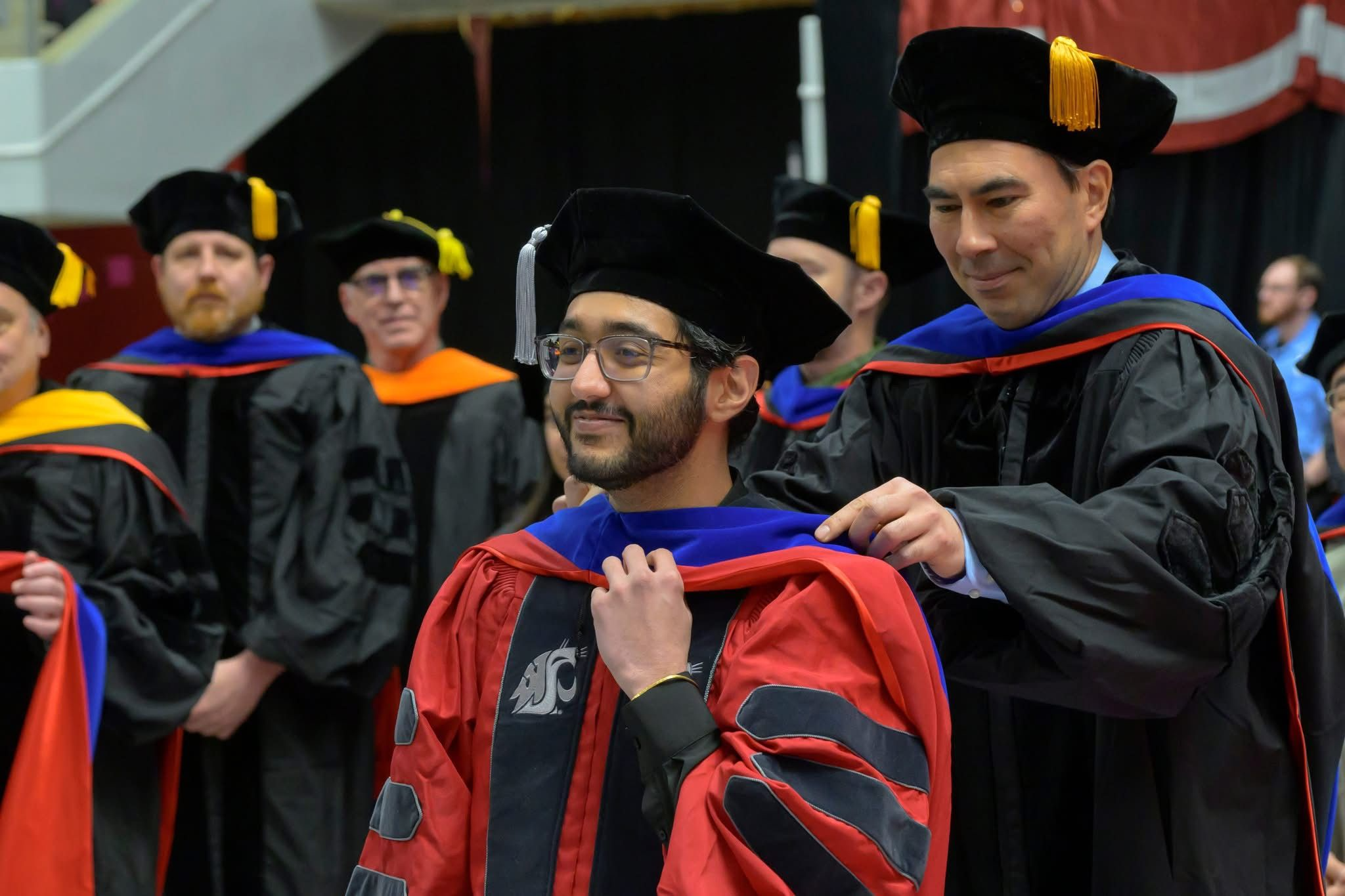
Jasson Makkar -Driskell Lab
Defended Fall 2025

Kaylee Vosbigian – Shaw Lab
First Author Publication!
ATF6 enables pathogen infection in ticks by inducing stomatin and altering cholesterol dynamics
ATF6 enables pathogen infection in ticks by inducing stomatin and altering cholesterol dynamics
Cameron Coyle – Shaw Lab

Albina Makio – Nicola Lab
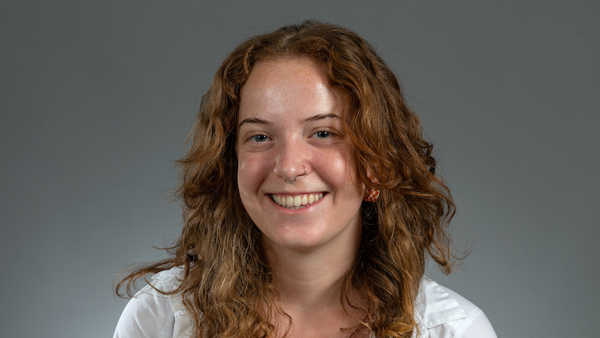
Chloe Leach – Nicola Lab
If you are a current trainee or faculty trainer and want to highlight a trainee’s accomplishment, please fill out the NIH Protein Biotechnology Accomplishment Survey